
How to Fly with Your Dog: A Practical Guide
Flying with a dog is manageable if you do the preparation weeks in advance. Most of that preparation has nothing to do with booking flights and everything to do with training your dog to be comfortable in the specific conditions air travel creates.
Cabin vs. Cargo: Know Your Options
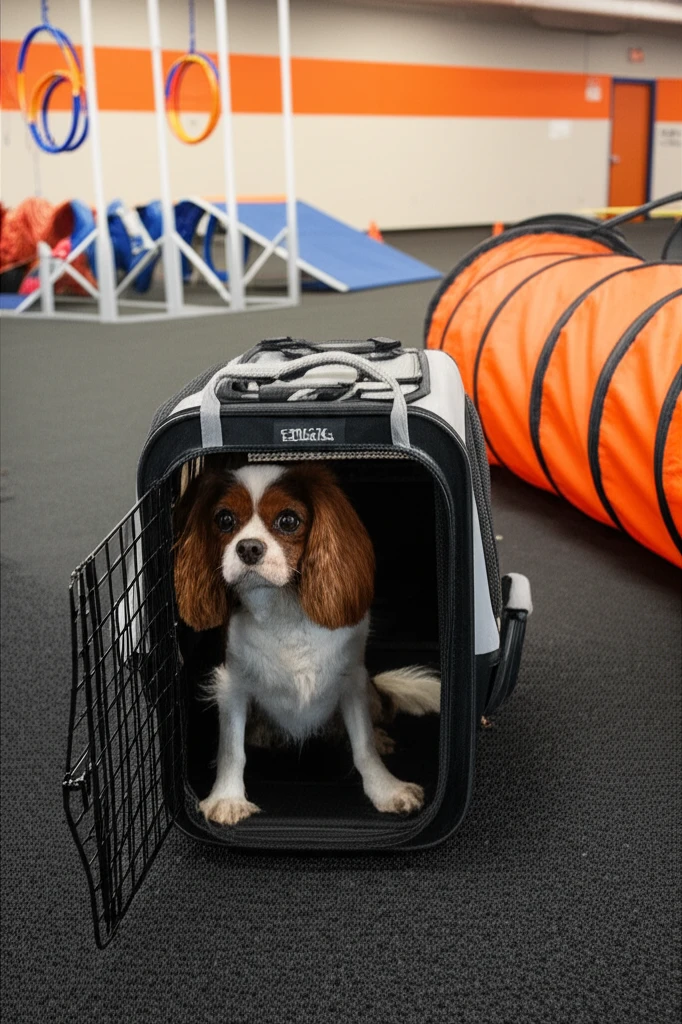
Most major U.S. airlines allow small dogs in the cabin if they fit in a carrier that slides under the seat in front of you. The carrier dimensions vary by airline but typically max out around 18 by 11 by 11 inches. Your dog must stay inside the carrier with it zipped for the entire flight, including taxi, takeoff, and landing. Airlines charge a pet fee per flight segment, usually between $95 and $200 each way, and most limit the number of pets per cabin, so book early and confirm the reservation by phone after booking online.
For dogs too large for under-seat carriers, the options are more limited. Some airlines offer cargo transport through pet shipping programs, but policies have tightened significantly and several major carriers have suspended the service entirely. If your dog needs to fly cargo, work with a pet transport company that specializes in air travel and can navigate the requirements for crate size, health certificates, and temperature embargoes. For most medium and large dogs, driving is the more practical choice when the distance allows it.
Carrier Training Starts Weeks Before the Flight
A dog who panics inside a zipped carrier at 30,000 feet is a dog who was not gradually acclimated to being in a carrier on the ground. Carrier training is positive reinforcement crate training applied to a smaller, softer space, and it needs the same patient, incremental approach.
Start by leaving the carrier open in your living room with treats and a familiar blanket inside. Let your dog investigate on their own terms. Over several days, begin feeding meals inside the carrier with the door open. Then zip it briefly while your dog eats, opening it before they finish. Gradually increase the duration your dog spends in the zipped carrier, adding real-world conditions one at a time: background noise, being lifted and carried, riding in a car inside the carrier.
The goal is a dog who walks into the carrier voluntarily, lies down, and relaxes. If your dog is still pawing at the zipper or panting heavily after two weeks of consistent practice, they are telling you they are not ready. Forcing the issue will make the flight miserable for your dog, for you, and for every passenger within earshot. Some dogs are genuinely not good candidates for air travel, and recognizing that is responsible ownership.
Navigating the Airport
Airports are intense sensory environments: polished floors that feel strange underfoot, echoing announcements, crowds moving in unpredictable patterns, and the smells of dozens of fast-food restaurants. A dog with a solid socialization foundation processes this as interesting rather than threatening. A dog without that foundation can shut down or become reactive.
Plan to arrive earlier than you normally would. You will need extra time at the check-in counter to present your pet reservation and pay the fee, and you may need to show a health certificate depending on the airline and destination. At security, your dog comes out of the carrier and you carry them through the metal detector while the carrier goes through the X-ray. Practice picking up your dog calmly and holding them securely before you are doing it in a TSA line with people waiting behind you.
Most airports now have pet relief areas inside the terminal. Locate these on the airport map before you arrive and plan your gate time around a bathroom stop. Between security and boarding, find a quiet corner of the gate area rather than sitting in the center of a crowded waiting section. Keep your dog in the carrier with the zipper open if the airline allows it, giving them a chance to observe without being overwhelmed.
During the Flight
Once you board, slide the carrier under the seat in front of you and keep it zipped. You can reach in through a partially open zipper to offer a reassuring touch, but your dog cannot come out. Choose an aisle seat if possible for slightly more floor space. Window seats pin the carrier against the wall and fuselage noise.
Withhold food for four to six hours before the flight to reduce the chance of nausea, but offer water up until boarding. Bring a portable water dish for layovers. A frozen Kong or a lick mat with a thin layer of peanut butter can provide quiet, calming enrichment during the flight. Avoid sedatives unless specifically prescribed and dosed by your veterinarian for air travel, as sedation at altitude can affect breathing and heart rate unpredictably.
The loudest moments are takeoff and landing. If your dog has noise sensitivity, you will have already addressed this during carrier training by practicing with recorded engine and crowd noise. If fear responses to noise are still a significant issue, flying may not be the right choice for your dog right now.
The Socialization Investment That Makes Flying Possible
Every step of air travel, from the carrier to the airport to the confined cabin, tests your dog's ability to stay calm in a novel, constrained environment. That ability is not innate. It is the product of consistent exposure to new places, sounds, surfaces, and situations in a way that built confidence rather than fear.
Dogs who do well on flights are typically dogs who also do well settling under restaurant tables, walking through busy stores, and staying calm in hotel rooms. The common thread is a dog who trusts that new environments are manageable because they have a long history of managed exposure proving exactly that. If your dog is not there yet, that is not a reason to avoid the goal. It is a reason to start building toward it with structured training and socialization. Find a Zoom Room near you to start the work that makes air travel realistic.
Frequently Asked Questions
How do I know if my dog is small enough to fly in the cabin?
Your dog needs to fit comfortably inside an airline-approved soft-sided carrier that fits under the seat in front of you. Most airlines require the carrier to be no larger than approximately 18 by 11 by 11 inches, though exact dimensions vary. Your dog must be able to stand up, turn around, and lie down inside it. In practice, this means most dogs over 20 pounds will not fit. Buy the carrier well in advance, let your dog get used to it at home, and test the fit with your dog lying in a natural position. If your dog has to crouch or cannot turn around, the carrier is too small.
Should I sedate my dog for a flight?
Do not sedate your dog without specific guidance from your veterinarian. Standard sedatives can affect respiration and cardiovascular function at altitude, and a sedated dog cannot brace themselves during turbulence or adjust their position to breathe comfortably. Most veterinary behaviorists recommend against routine sedation for flying. If your dog has severe anxiety that makes air travel unsafe, talk to your vet about anti-anxiety medications that reduce fear without heavy sedation. The better long-term solution is carrier training and gradual desensitization so your dog can fly calmly without pharmaceutical intervention.
What documents do I need to fly with my dog?
At minimum, you need a current health certificate issued by your veterinarian, usually required within 10 days of travel for domestic flights. Some airlines also require proof of rabies vaccination. For international travel, requirements expand significantly and may include microchipping, specific vaccines, blood tests, import permits, and quarantine compliance. Check the USDA APHIS website for country-specific requirements, as getting these wrong can result in your dog being denied entry. Always confirm directly with your airline, as individual carrier policies add their own documentation requirements on top of government regulations.
Ready to Prepare Your Dog for Air Travel?
Zoom Room's crate training and socialization classes build the carrier comfort and environmental confidence your dog needs to handle airports and flights. You train alongside your dog in a controlled indoor gym.
Find a Zoom Room