
How to Stop a Dog from Jumping
Jumping is a natural dog greeting. When two dogs reunite, they rise up, paw at each other, and crash together excitedly. Your dog is doing the same thing to you--it's not defiance, it's joy.
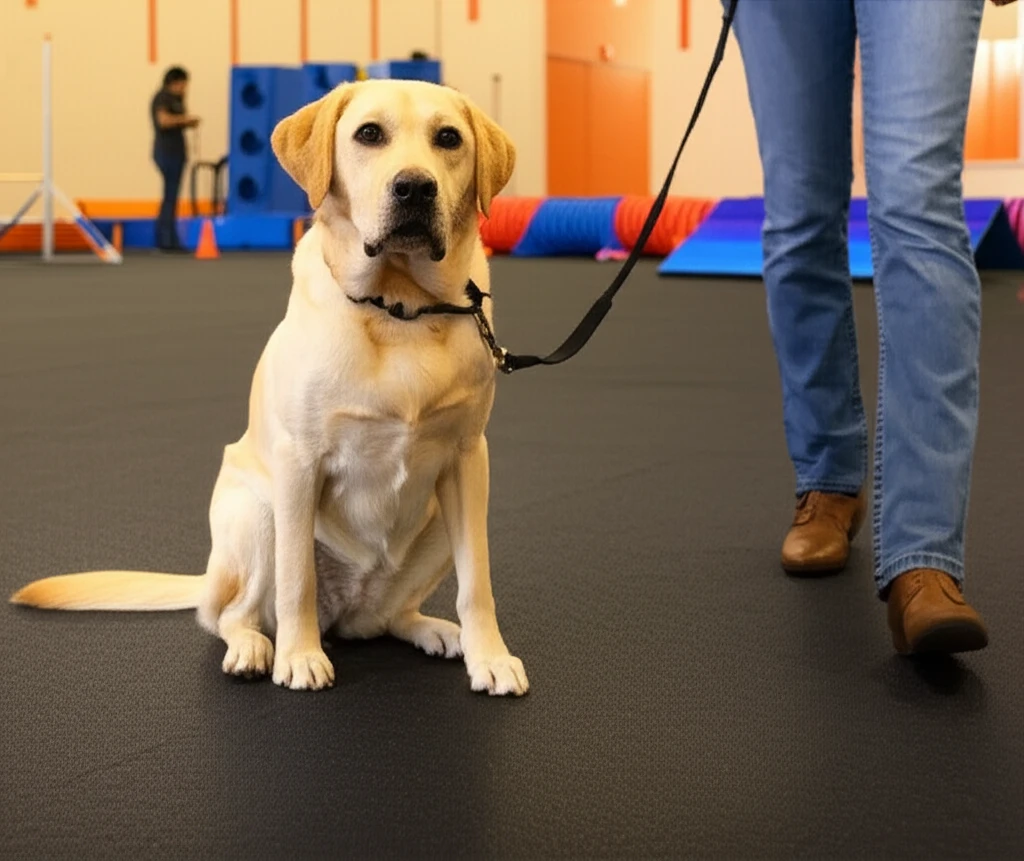
Why Dogs Jump
The problem: what's natural for dogs is rude for humans. A jumping dog can knock over children, scratch guests, and create chaos at every arrival. The good news: this behavior responds quickly to consistent training.
Jumping occurs most often during emotionally charged moments--when you arrive home, when guests enter, when your dog spots a friendly stranger on a walk. Your dog has been waiting, probably bored, and suddenly the most exciting thing in the world (you) appears.
Your dog wants connection. Pushing them off while saying "No! Down!" feels like part of the game to them. Any physical contact--even correction--is rewarding, especially for touch-sensitive breeds like retrievers. Negative attention is still attention.
The Four-on-the-Floor Rule
When you arrive home, ignore your dog completely until all four paws are on the ground and they're calm. No eye contact, no talking, no touching. Only when they settle do you greet them.
This teaches a simple equation: calm behavior gets attention, jumping gets nothing.
Train a Mutually Exclusive Behavior
In every situation where your dog tends to jump, ask for a sit instead. Sitting and jumping are physically incompatible--a dog can't do both at once.
For strangers on walks: Carry treats. When someone asks to pet your dog, say "Sure, but he's in training--would you ask him to sit first?" Hand them a treat. People love participating, and your dog learns that sitting produces both petting and food from strangers.
For guests at home: Leash your dog before guests arrive. Hand treats to visitors as they enter. Have them ask for a sit before any greeting.
When Family Members Disagree
Some households have one person who enjoys the jumping. The solution: put the behavior on cue.
Teach "Up!" (paired with patting your chest) as the only invitation to jump. The dog must stop immediately on "Enough" or "Okay" and sit. This way the behavior is controlled, not eliminated--and the dog learns it only works with specific people on specific cues.
Five Steps to Stop Jumping
- Remove emotion from arrivals. No loud voices, fast movements, or excited greetings. Stay calm.
- Four on the floor. Don't touch your dog--including pushing them off--until they're calm with all paws down.
- Train a sit for greetings. Every interaction with strangers should begin with a sit.
- Recruit helpers. Give guests treats and have them ask for a sit before petting.
- Put it on cue if needed. If some family members enjoy jumping, make it invitation-only with "Up!" and a clear release word.
Why This Works
Dogs repeat behaviors that accomplish goals. Right now, jumping accomplishes the goal of getting your attention. When you consistently ignore jumping and reward sitting, your dog quickly figures out the new equation.
Most dogs who jump are highly social and crave human connection. That same drive makes them fast learners when you redirect it.
Frequently Asked Questions
How long does it take to stop a dog from jumping?
Jumping is one of the faster behaviors to change because it is driven by a clear motivation: your dog wants attention. Once every person in the household and every guest consistently ignores jumping and rewards four-on-the-floor or a sit, most dogs show noticeable improvement within one to two weeks. Full reliability takes longer and depends on how many different people and situations your dog encounters. The more consistently the new rule is enforced across all contexts, the faster the behavior changes.
My dog only jumps on certain people. Why is that?
Dogs are excellent at reading social cues and learning who responds to what. If some people push your dog off, talk excitedly, or give attention when your dog jumps, those people have taught your dog that jumping works on them. Other people who consistently ignore jumping or ask for a sit have taught the opposite lesson. The fix is getting everyone on the same page. Giving guests a treat and a simple instruction to ask for a sit before petting makes the rule clear and consistent.
Is it okay to knee my dog in the chest to stop jumping?
No. Kneeing, stepping on back paws, or pushing your dog off are physical corrections that can cause injury and often backfire. Many dogs interpret physical contact during a greeting as part of the interaction, which can actually increase jumping. The more effective approach is to remove what your dog wants: your attention. Turn away, cross your arms, and make no eye contact. When all four paws are on the ground, calmly reward with the attention your dog was seeking.
Ready to get started?
Find your nearest Zoom Room and book a training session.
Find a Zoom Room